Column · @lukaszhhc651
Grid-Tied Solar Panels: Are They Right for North Shore Roofs?
Grid-tied solar panels can be a practical way to reduce electricity bills on Sydney’s North Shore, but the best results depend on your roof, surrounding trees and household energy use. A sunny roof in Chatswood has different design requirements from a heavily shaded property in Wahroonga or a heritage-listed home in Mosman.
Before investing, assess the roof’s condition, understand your grid connection https://roofcleaningnorthshore.com.au options and compare expected savings against the full installation cost. A well-designed system should suit your property—not simply fit as many panels as possible.
How Do Grid-Tied Solar Panels Work?
A grid-tied system generates electricity from sunlight while remaining connected to the electricity network. Panels produce direct current electricity, and an inverter handles the electrical energy conversion into alternating current for your home.
Your household uses available solar electricity first. When generation exceeds consumption, eligible surplus electricity can flow into the grid, subject to your connection agreement. When solar production falls below demand, your home draws electricity from the network.
Standard grid-tied systems switch off during a blackout to prevent unsafe electricity supply into the network. Backup power requires compatible equipment, usually including a battery, a backup-capable inverter and appropriate electrical isolation. A battery alone does not automatically provide backup.
What Makes a North Shore Roof Suitable?
Sunlight, Orientation and Tree Cover
North-facing panels generally provide strong annual generation in Sydney. East- and west-facing arrays can also work well, particularly when their output aligns with morning or afternoon electricity use.
Mature trees are an important consideration across the North Shore. Ask for a shade assessment that considers winter sun angles and likely tree growth, rather than relying only on a midday inspection. Microinverters and optimisers are examples of advanced solar technology that can help manage certain shading conditions, but they cannot replace missing sunlight.
Do not assume you can prune or remove trees to improve solar access. Council tree controls and other protections may apply.
Roof Condition and Remaining Life
Solar panels are a long-term installation, so address cracked tiles, corrosion, loose fixings and leaks before mounting equipment. If a roof needs replacement soon, completing that work first can avoid paying to remove and reinstall panels later.
Tile and metal roofs require different mounting methods. On metal roofing, installers should check material compatibility, waterproofing and manufacturer requirements. Custom metal fabrication should only be used where the mounting design requires it; improvised brackets can compromise weatherproofing and warranties.
Roof Cleaning, Gutters and Drainage Matter Too
Good solar installation starts with a sound roof and effective drainage. Arrange gutter cleaning and inspect valleys, flashings and downpipes before work begins. Gutter repair, gutter downspout repair or gutter replacement may be necessary where existing components leak or overflow.
Panels and mounting equipment must not obstruct drainage paths or prevent essential maintenance. This supports building envelope protection, exterior moisture control and overall home exterior protection.
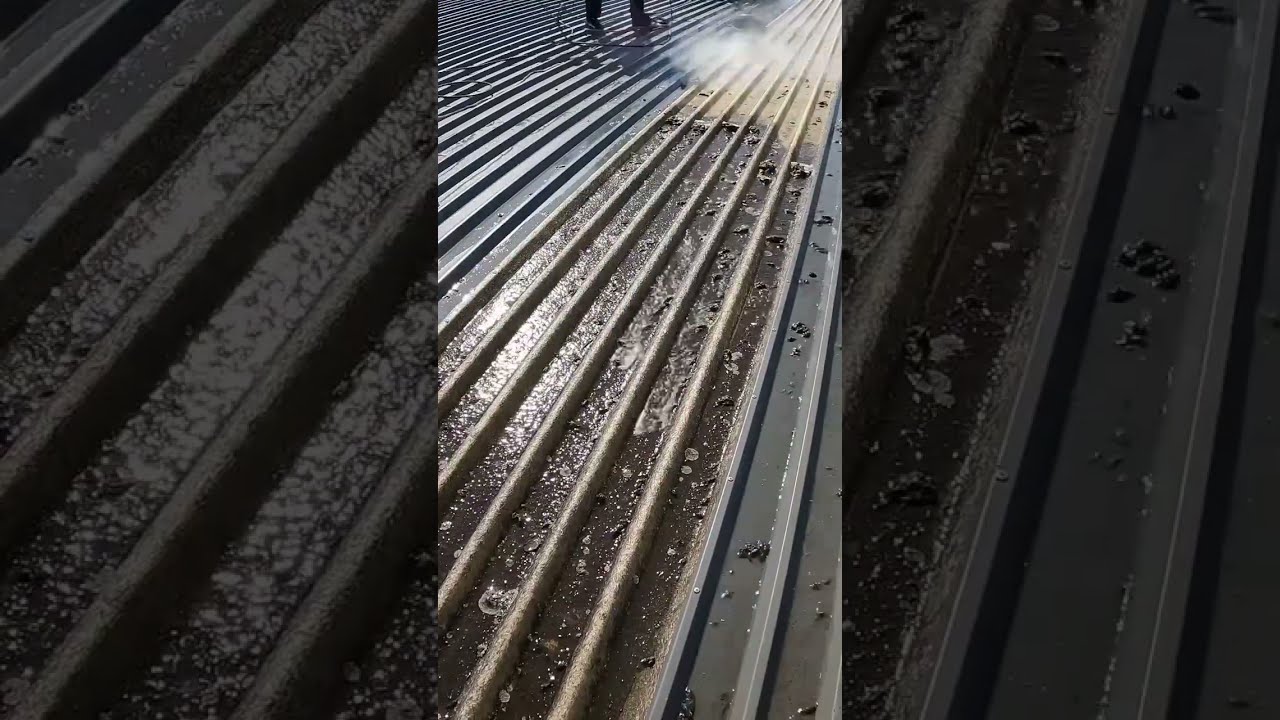
Where cleaning is needed, choose a contractor who uses methods appropriate for the roofing material. Colorbond roof cleaning should follow the manufacturer’s guidance, and eco-friendly roof cleaning still requires careful product selection and runoff management. Aggressive pressure washing can damage coatings, tiles, seals or electrical equipment.
Gutter guard installation may help manage leaf litter, but gutter protection does not eliminate gutter maintenance. Discuss access for future cleaning before adding guards or panels, particularly on steep or multi-storey roofs.
Will Grid-Tied Solar Save You Money in 2026?
Financial performance depends on installation cost, shading, electricity tariffs and how much solar electricity you use directly. Feed-in tariffs vary between retailers and plans, so avoid calculations that assume exported electricity earns the same rate you pay for imported power.
Increasing daytime self-consumption is often more valuable than maximising exports. Running a dishwasher, scheduling pool filtration or heating water during solar production hours can improve the value of your system. Coordinate these changes with appliance instructions and your electricity tariff.
When comparing comprehensive solar solutions, request:
- A roof-specific generation estimate that includes orientation and shading assumptions.
- Savings calculations based on your actual consumption and current electricity plan.
- Written equipment, installation, switchboard and grid-connection costs.
- Details of warranties, monitoring, maintenance access and after-sales support.
- Separate pricing for battery readiness and any backup functionality.
Eligible systems may receive support through the federal Small-scale Renewable Energy Scheme. Ask how any small-scale technology certificate discount is calculated and confirm current eligibility requirements before signing.
Approvals, Accreditation and Grid Connection
Many residential installations can proceed without a development application when applicable NSW exempt development requirements are met. However, heritage listings, conservation areas and property-specific restrictions can change the position. Check the NSW Planning Portal and your local council rather than assuming every rooftop installation is exempt.
Much of Sydney’s North Shore is within Ausgrid’s network. Your installer should confirm the relevant distributor, connection requirements and approved export capacity before installation. Network approval can limit exports independently of the total panel capacity.
Use appropriately licensed electrical contractors and check current Solar Accreditation Australia accreditation where required for scheme eligibility. Confirm that proposed panels and inverters meet applicable approval requirements. Strata properties also need the relevant owners corporation permissions.
Choosing the Right Local Solar Service
Look for expert solar panel services that assess the whole property rather than selling a standard package. Useful custom solar solutions account for roof access, household consumption, shading, drainage and possible future loads such as electric vehicle charging.
For businesses considering commercial solar panels, the assessment should also examine daytime demand, structural capacity and the applicable commercial tariff. Comprehensive energy solutions may combine solar with practical energy efficiency solutions before adding storage.
Grid-tied solar is most suitable when your roof is sound, sunlight is adequate and projected savings reflect how you actually use electricity. Start with a roof inspection, a recent electricity bill and a site-specific solar assessment to establish whether it is the right investment for your North Shore property.
North Shore Roof Cleaning Pros
5/14 Starkey St, Forestville NSW 2087, Australia
(02) 5839 5963